Blog
Baking Soda vs Baking Powder: When the Swap Works
Two white powders, two different jobs. Baking soda is a pure base that only reacts with acid; baking powder brings its own acid. Confuse them and the cake comes out flat, soapy or both.
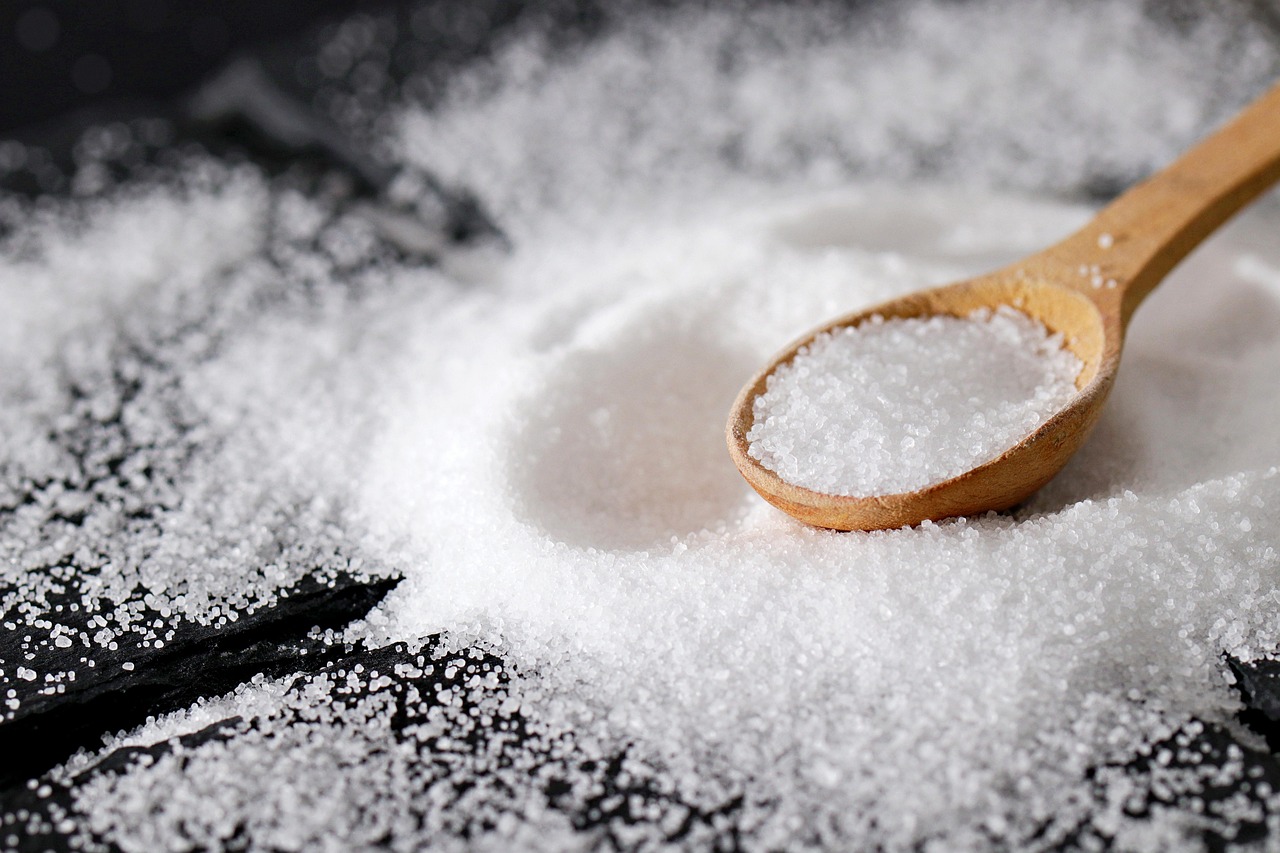
What each powder actually is
Baking soda is pure sodium bicarbonate — a base that releases gas only when it meets an acid like lemon juice, yogurt or honey. Baking powder is that same base pre-mixed with dry acid and a starch buffer, so it needs nothing but moisture and heat. They even weigh almost the same — about 4.6 g and 4.4 g per teaspoon — which is what makes them so easy to confuse.
Soda is roughly four times stronger
Equal weights are not equal power: baking soda delivers about four times the lift of the same amount of baking powder. That asymmetry sets both substitution ratios — and explains why getting them backwards is so destructive.
Replacing soda with powder: triple the dose
The tested ratio is factor 3 — three times the baking powder for the soda called for. It works when the soda dose is small; the caveat in the data is that the flavor shifts slightly, since powder contributes acid salts as well as lift. A recipe asking for a tablespoon of soda would need three of powder — enough to taste chemical. Beyond a teaspoon or two, the swap stops being credible.
Replacing powder with soda: a quarter, and only in acid
The reverse ratio is factor 0.25 — a quarter of the powder amount in soda — with one strict condition: the batter must be acidic (lemon, yogurt, honey). In a neutral batter the excess base never reacts, and the result tastes soapy and metallic with a yellowed crumb. The cleaner fix is soda plus cream of tartar at 1:2, factor 1 — a mix-your-own baking powder that is single-acting, so bake immediately.
The emergency shelf
When neither powder is in the cupboard, the substitution table offers mechanical and improvised lifts.
- Whipped egg whites folded in gently — mechanical lift, no chemical aftertaste, for pancakes and light cakes
- Self-rising flour — replaces flour and leavener at once; omit the recipe's added salt
- Baker's ammonia at half the soda dose — thin crisp cookies only, and it smells while baking
- Ice-cold club soda in frying batters — the bubbles do the lifting
When no substitute survives
Some recipes are engineered around one leavener. Soda does more than lift — it neutralizes acidity and drives browning, which is why gingerbread and chocolate bakes depend on it. A yeasted dough can be rebuilt around dry yeast at twice the soda amount, but it needs fermentation time and tastes different. And anything built on double-acting powder's second rise in the oven cannot be reproduced by a single-acting stand-in.