Blog
Ingredient Densities for Baking: The g/ml Reference Table
Density is the missing number behind every « cup to grams » question — grams per milliliter, or grams per liter, the same figure scaled by a thousand. Here is the reference table for the ingredients bakers actually measure.
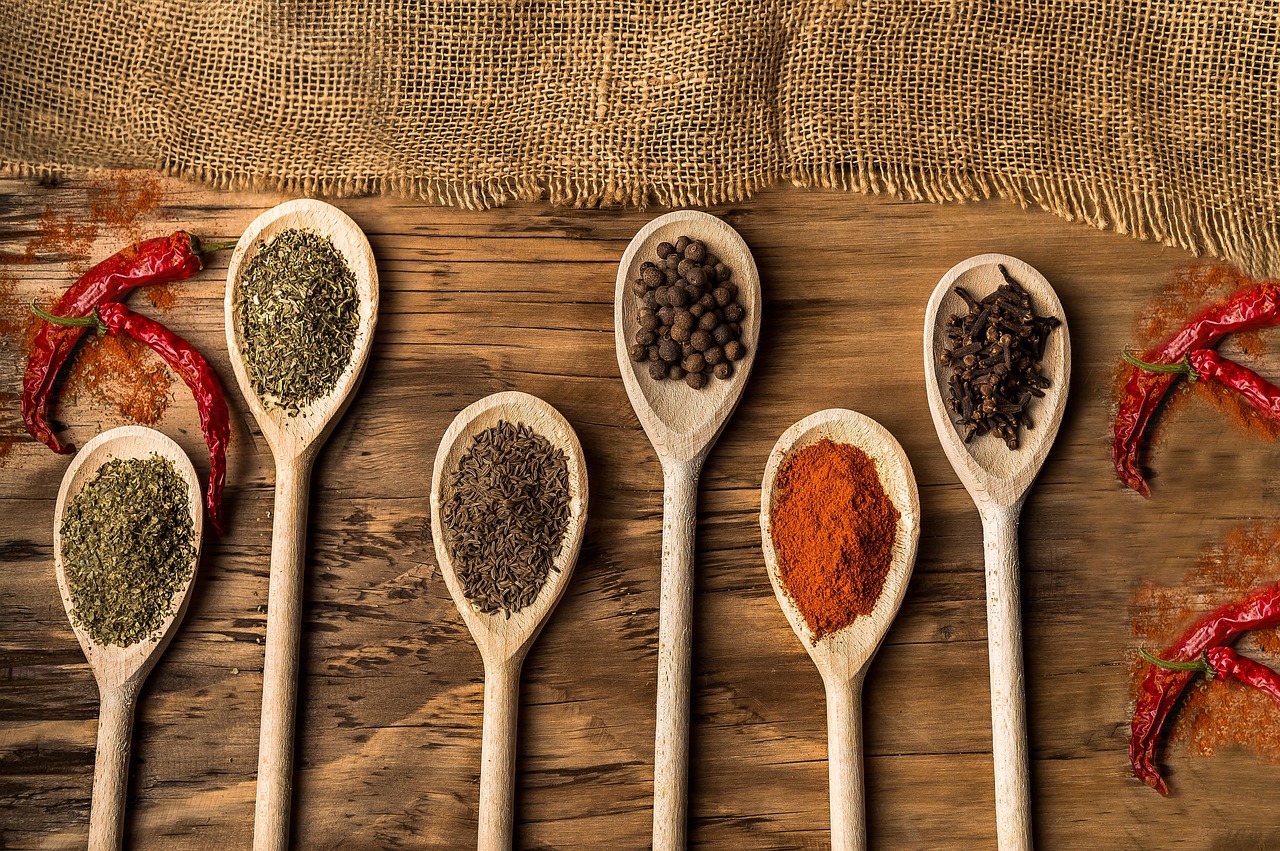
What « density » means in a recipe
Density is mass per volume: how many grams one milliliter of an ingredient weighs — or, multiplied by 1,000, grams per liter. Water anchors the scale at exactly 1.0 g/ml (1,000 g/L). Everything airier — flour, oats, cocoa — falls below; everything syrupy — honey at 1.42, molasses at 1.39 — climbs above. It is the one number that turns any cup, tablespoon or milliliter measure into grams.
The reference table: 25 ingredients
The bulk densities the GramKitchen converters are built on, in g/ml — numerically the same as kg/L. The g/L column rescales the same value ×1,000 for sources that quote « grams per liter »; cup values use the US cup (236.6 ml).
- All-purpose flour — 0.529 g/ml · 529 g/L · ~125 g/US cup
- Bread flour — 0.537 g/ml · 537 g/L · ~127 g/US cup
- Cake flour — 0.482 g/ml · 482 g/L · ~114 g/US cup
- Whole wheat flour — 0.507 g/ml · 507 g/L · ~120 g/US cup
- "00" flour — 0.5 g/ml · 500 g/L · ~118 g/US cup
- Granulated sugar — 0.845 g/ml · 845 g/L · ~200 g/US cup
- Brown sugar (packed) — 0.93 g/ml · 930 g/L · ~220 g/US cup
- Powdered sugar — 0.53 g/ml · 530 g/L · ~125 g/US cup
- Unsweetened cocoa powder — 0.52 g/ml · 520 g/L · ~123 g/US cup
- Cornstarch — 0.54 g/ml · 540 g/L · ~128 g/US cup
- Rolled oats — 0.38 g/ml · 380 g/L · ~90 g/US cup
- White rice (raw) — 0.777 g/ml · 777 g/L · ~184 g/US cup
- Sesame seeds — 0.61 g/ml · 610 g/L · ~144 g/US cup
- Butter — 0.959 g/ml · 959 g/L · ~227 g/US cup
- Water — 1 g/ml · 1000 g/L · ~237 g/US cup
- Whole milk — 1.03 g/ml · 1030 g/L · ~244 g/US cup
- Heavy cream — 0.99 g/ml · 990 g/L · ~234 g/US cup
- Sour cream — 0.97 g/ml · 970 g/L · ~229 g/US cup
- Greek yogurt — 1.18 g/ml · 1180 g/L · ~279 g/US cup
- Neutral oil — 0.917 g/ml · 917 g/L · ~217 g/US cup
- Olive oil — 0.916 g/ml · 916 g/L · ~217 g/US cup
- White vinegar — 1.01 g/ml · 1010 g/L · ~239 g/US cup
- Honey — 1.42 g/ml · 1420 g/L · ~336 g/US cup
- Maple syrup — 1.33 g/ml · 1330 g/L · ~315 g/US cup
- Molasses — 1.39 g/ml · 1390 g/L · ~329 g/US cup
Lighter and heavier than water
The practical split is water at 1.0. Water-based liquids cluster within a few percent of it — milk at 1.03, vinegar at 1.01, cream at 0.99 — which is why recipes get away with treating milliliters and grams as interchangeable for them. Below water sit the dry, air-trapping powders (flour around 0.5, rolled oats at 0.38) and the oils at ~0.92. Above it, the sugar syrups: condensed milk at 1.30, maple syrup at 1.33, molasses at 1.39, honey at 1.42 — the cup that holds 237 g of water holds 336 g of honey.
Density is an average, not a constant
Each figure is a bulk density with a handling variance — ±2–3% for pourable liquids, ±8–12% for powders and loose dry goods. Flour alone can swing ±10% between a scooped and a spooned-and-leveled fill; brown sugar depends on how firmly it is packed; seeds vary with size and roast. For a recipe conversion the table is the right tool; for production batches, weigh your actual lot — the bag in front of you is the ground truth.
From density to grams in one line
Grams = milliliters × density. 250 ml of milk × 1.03 = 258 g; 100 ml of maple syrup × 1.33 = 133 g; one US tablespoon (14.79 ml) of molasses × 1.39 ≈ 21 g. The reverse divides: 150 g of flour ÷ 0.529 ≈ 284 ml — a little over a US cup. It also explains why 100 g of one ingredient overflows the cup that 100 g of another barely covers: low-density foods simply take more space per gram.
Where these numbers come from
Every value is documented on the ingredient's data sheet with its source and confidence level — the methodology page lists the references. The converters apply exactly these figures, so any ingredient page's cup-to-gram result reconciles with this table to the gram. If a recipe disagrees with the table, the recipe's own measured weight wins — densities are averages, ingredients are specific.