Blog
Milliliters to Grams: Why 100 ml Is Never One Answer
« How many grams is 100 ml? » has exactly one ingredient-free answer — water, at 100 g. Everything else needs a density, and that single number is what this entire site is built on.
Milliliters measure space, grams measure mass
A milliliter is a volume — the size of the space an ingredient occupies. A gram is a mass. The bridge between them is density: grams per milliliter, how much mass fits into that space. Water sits at almost exactly 1 g/ml, which is why 100 ml of water weighs 100 g — and why the question feels like it should have one universal answer.
What 100 ml really weighs
The same 100 ml, filled with different ingredients, spans a range of nearly three to one.
- Water (1.0 g/ml): 100 g
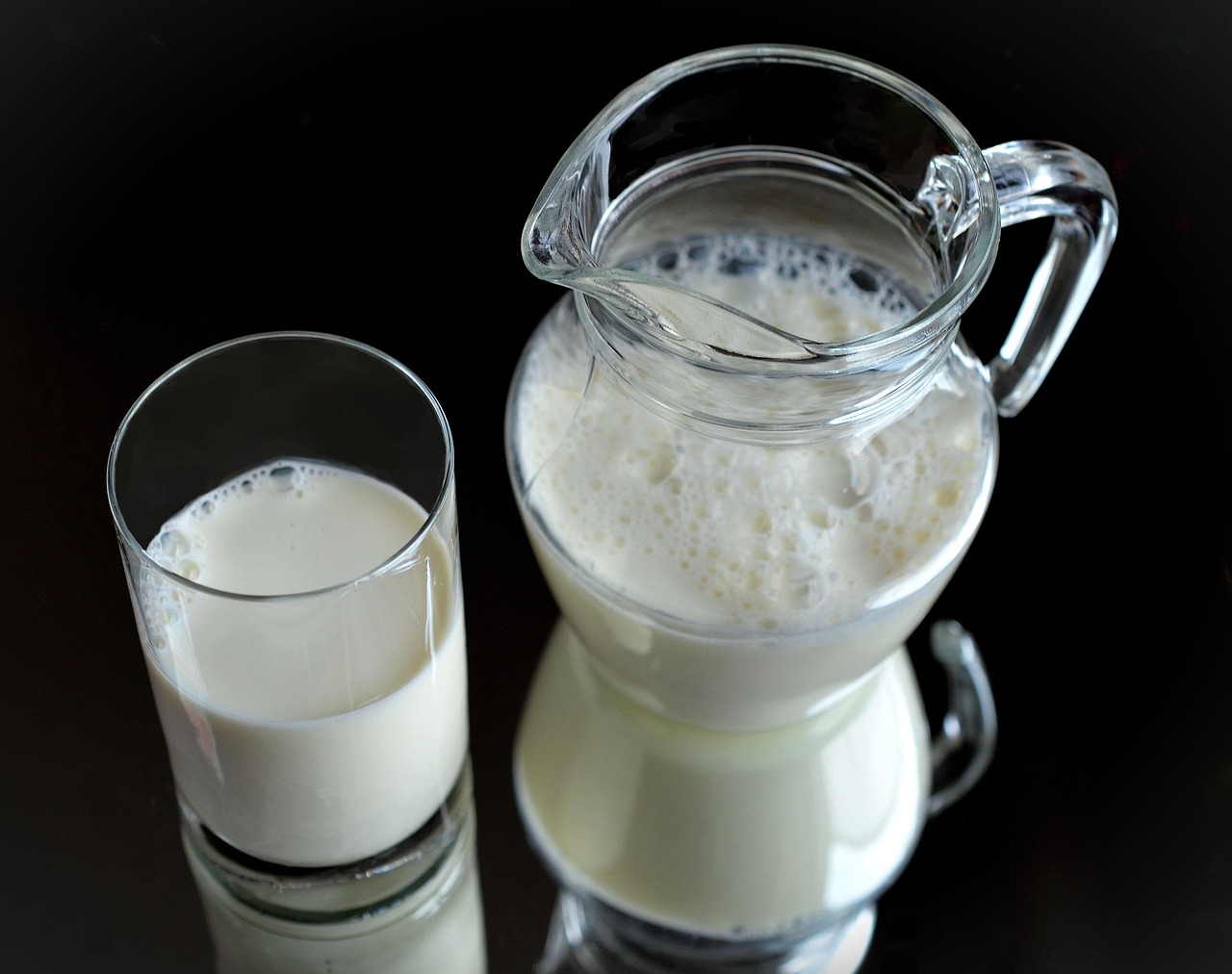
- Whole milk (1.03): about 103 g
- Neutral oil (0.917): about 92 g
- All-purpose flour (0.529): about 53 g
- Honey (1.42): 142 g
Why the syrup outweighs the flour
Flour is a bed of starch granules holding air — poured, it settles loosely at roughly half the density of water. Honey is water with the air driven out and sugar packed in: at 1.42 g/ml it outweighs flour nearly three to one at equal volume. Oil floats on water for the same reason it weighs less — 0.917 g/ml — so 100 ml of oil is about 92 g, not 100.
The formula in one line
Grams equal milliliters times density. 100 ml of flour times 0.529 gives 53 g; 250 ml of milk times 1.03 gives about 258 g. The formula is trivial — the density is not. Every ingredient carries its own, and some add a fill variance on top: flour's ±8 % means the measuring itself wobbles even when the math is right.
When ml and grams can pretend to be equal
Water-based liquids sit close enough to 1 g/ml that ml and g can trade places in forgiving cooking: milk at 1.03, juices, wine, stock — all within about 3 % of water. The moment the liquid thickens (honey, molasses, condensed milk) or the ingredient is a powder, the pretense collapses.
Let the converter carry the density
That is why every converter on GramKitchen asks which ingredient you mean before it answers: ml-to-grams is not one conversion, it is a conversion per ingredient. Pick the flour, the oil or the honey, and the density — sourced and flagged with its variance — does the arithmetic for you.