Blog
What Matters in a Baking Scale: Precision & Capacity
Choosing a kitchen scale for baking comes down to physical performance. You need exact measurements for flour and yeast, not Bluetooth connectivity.
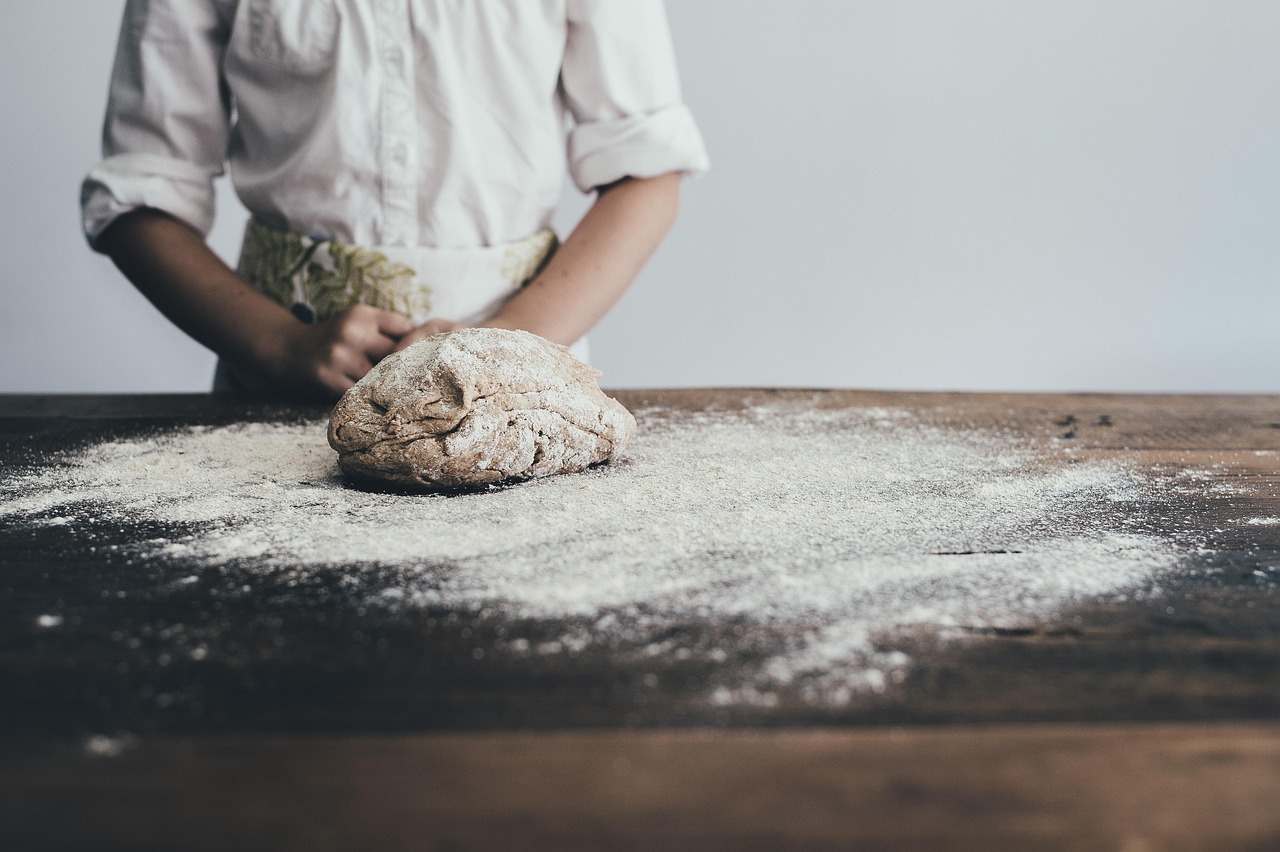
Why Precision Matters More Than Volume
Volume measurements like cups are notoriously unreliable in baking because ingredients settle and pack differently every time you scoop. A dedicated baking scale removes this variability by measuring mass directly. When scaling recipes or converting units, volumetric cups introduce errors that can ruin hydration levels in bread dough or ruin the crumb structure of delicate cakes.
Using mass instead of volume ensures repeatable results across different batches. Grams and ounces provide the exact numerical truth of your ingredient quantities, eliminating guesswork from your kitchen routine.
The 1 Gram Standard and the 0.1 Gram Exception
For general baking ingredients like flour, sugar, and butter, a scale with 1 gram precision is the baseline requirement. This level of accuracy ensures your major components are balanced correctly without unnecessary sensitivity to minor air currents in your kitchen.
However, measuring active dry yeast, fine salt, or chemical leavening agents requires a finer touch. These ingredients are often used in quantities under two grams, where a standard 1 g scale lacks the resolution needed for consistent results. A secondary pocket scale or dual-range scale reading to 0.1 grams is essential for these micro-ingredients.
- 1 g precision for flour and sugar
- 0.1 g precision for instant yeast
- Precise salt measurement for bread
- Accurate baking powder dosing
Capacity: Why 5 Kilograms is the Sweet Spot
Kitchen scale capacity dictates how much total weight the platform can handle before overloading or losing accuracy. A 3 kg limit is common, but it can easily be exceeded when placing a heavy ceramic mixing bowl on the scale before adding flour and liquids.
A 5 kg capacity provides enough headroom to weigh large mixing bowls, heavy Dutch ovens, and bulk ingredients without hitting the sensor limit. This versatility makes the scale useful for both single-batch pastry work and large bread dough preparations.
Tare Function and Unit Switching Mechanics
The tare function is non-negotiable for efficient baking workflow. It allows you to zero out the weight of any container, add your first ingredient, tare again, and add the next ingredient directly into the same bowl without manual math.
Unit switching lets you toggle instantly between metric grams, kilograms, imperial ounces, and pounds depending on the origin of your recipe. Tactile buttons that respond cleanly to flour-dusted fingers are vastly superior to touch-sensitive glass panels that register stray drops of water.
- Zero container weight instantly
- Add multiple ingredients sequentially
- Toggle grams and ounces smoothly
- Physical buttons over touch panels
Display Legibility and Platform Stability
A large, high-contrast LCD screen with a backlight ensures that numbers remain readable even when a wide mixing bowl overhangs the edges of the platform. Auto-off timers should be generous enough that the scale does not shut down while you are weighing out slow-flowing liquids.
Platform stability prevents rocking and erratic readings. Look for wide bases with non-slip rubber feet that keep the scale firmly planted on the countertop. When you need to check conversions or verify ingredient densities on the fly, GramKitchen offers per-ingredient converters for cups, grams, milliliters, ounces, tablespoons, and teaspoons.
Smart Features to Skip Entirely
Many modern kitchen scales attempt to justify higher price points by including smartphone synchronization, built-in nutritional databases, or companion apps. In practice, these digital integrations add points of failure, require constant battery changes, and slow down your workflow.
You do not need an internet-connected scale to bake successfully. Stick to robust hardware that delivers reliable numerical data, fast response times, and durable construction that withstands flour dust and kitchen splashes for years.
- Bluetooth app connectivity
- Built-in nutritional databases
- Fragile touch-glass surfaces
- Overly complex user interfaces