Blog
Australian Tablespoon vs US Tablespoon: The 33% Gap
When following international recipes, assuming a tablespoon is a standard 15 ml can ruin your baking chemistry. The Australian tablespoon is a massive 20 ml.
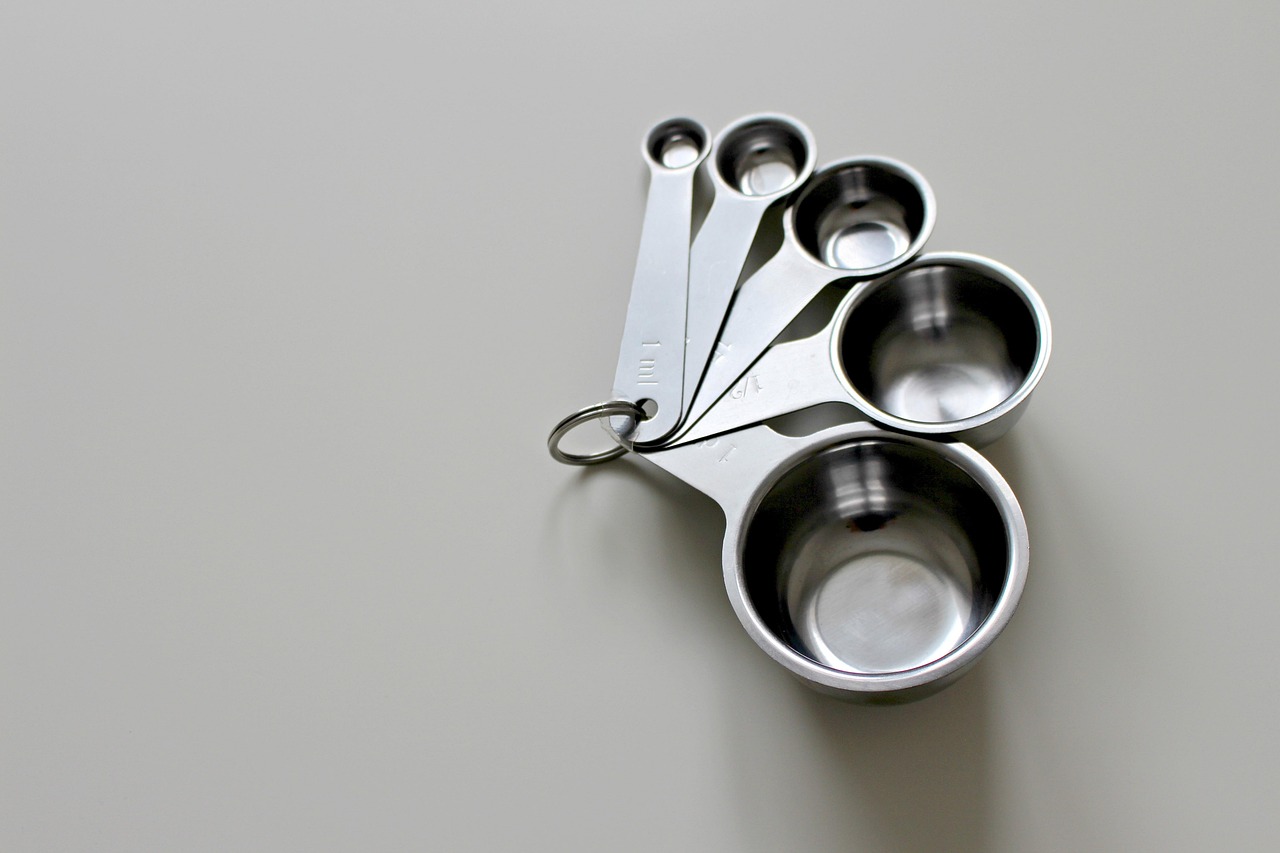
Global Tablespoon Sizes Explained
Kitchen measurement standards vary significantly across international borders, creating hidden traps for home bakers and cooks. While most of the world aligns with a 15 ml metric tablespoon, Australia stands entirely alone with a legal standard of 20 ml. This means an Australian kitchen implement holds one third more volume than its American, British, or European counterpart.
New Zealand and South Africa historically shared ties with British standards, yet modern global recipe sharing often ignores these regional variations. When a cookbook printed in Sydney calls for two tablespoons of baking powder, using a US measuring set leaves you short by a full 10 ml. Recognizing your spoon standard is the first step to accurate scaling.
- Australia: 20.0 ml per tablespoon
- United States: 14.8 ml (traditional legal) / 15.0 ml (metric)
- United Kingdom: 15.0 ml metric standard
- Canada: 15.0 ml standard measurement
- New Zealand: 15.0 ml metric standard
The 33% Volume Gap in Practice
A 33 percent volume variance sounds manageable on paper, but in culinary applications it introduces critical errors. In delicate cakes, a 20 ml portion of salt or leavening agents instead of 15 ml ruins flavor profiles and structural rise. Even liquids demand precision; scaling up dressings or reductions using mismatched spoons accumulates compounding volumetric discrepancies quickly.
Baking relies on strict ratios between flour, fats, liquids, and chemical leaveners. Introducing a 33 percent excess of a potent ingredient like baking soda changes pH levels, causing structural collapses. Precision requires matching your physical utensils to the geographic origin of the recipe text you follow.
Teaspoon Consistency Across Borders
Unlike tablespoons, teaspoon standards show remarkable global uniformity, offering a rare point of consistency for international cooking. Across the US, UK, Australia, Canada, and Europe, a standard teaspoon holds precisely 5 ml of volume. Three teaspoons consistently equal one metric tablespoon of 15 ml.
However, the Australian system preserves its unique ratio by maintaining a 20 ml tablespoon while keeping the 5 ml teaspoon standard. This means an Australian kitchen measures four teaspoons to a single tablespoon, rather than the standard three. Maintaining awareness of this structural ratio prevents compounding errors when halving or doubling recipes.
Level Versus Heaped Spoon Measurements
Volume measurements depend heavily on physical technique, particularly whether ingredients are leveled off flat or left mounded. A level tablespoon uses a straight edge to sweep away excess dry material, yielding repeatable density metrics. A heaped spoon adds arbitrary extra volume, often increasing powder weight by 30 to 50 percent.
Flour, cocoa powder, and starches aerate easily and pack down inside tight spoon bowls during scooping. Tapping the handle compresses the particles, forcing extra mass into the exact same 15 ml or 20 ml volume container. For consistent results, always spoon ingredients loosely into the measure and level them flat.
- Level US tablespoon all-purpose flour: 7.8 grams
- Level Australian tablespoon all-purpose flour: 10.4 grams
- Heaped tablespoon fine white sugar: up to 22 grams
- Level tablespoon table salt: 18.0 grams
- Level tablespoon butter or shortening: 14.2 grams
Gram Weights of Common Ingredients
Volume is an imperfect proxy for mass because every ingredient possesses a distinct density profile. While a 15 ml US tablespoon holds 15 grams of pure water, it holds vastly different weights for dense sugars versus fluffy powders. Relying on volume alone introduces unavoidable density variances into your kitchen prep.
Converting volumetric spoons directly into mass eliminates regional spoon size conflicts entirely. A scale measures actual gravitational pull on matter, bypassing local spoon volume laws. Accurate bakers weigh ingredients directly in grams to ensure absolute replication regardless of geographical location or equipment.
- Granulated white sugar (US 15 ml tbsp): 12.5 grams
- Granulated white sugar (AU 20 ml tbsp): 16.7 grams
- Baking soda (US 15 ml tbsp): 14.4 grams
- Cocoa powder (US 15 ml tbsp): 7.2 grams
- Honey or maple syrup (US 15 ml tbsp): 21.0 grams
Converting Spoons to Grams
Navigating international recipes requires translating volumetric spoon quantities into reliable mass figures based on true ingredient density. To handle these calculations instantly without manual math, use the GramKitchen per-ingredient converter tool to switch between international spoons and grams.
Adopting a mass-first approach protects your kitchen output from regional volumetric ambiguities. Whether adapting an Australian baking blog or a classic American cookbook, precise density conversions ensure your results remain consistent every single time.